
Abu Dhabi: The Pearl of the Arabian Gulf
11/20/20255 min read
Introduction to Abu Dhabi
Abu Dhabi, the capital city of the United Arab Emirates (UAE), serves as a pivotal hub in both the country and the Gulf region. Strategically located on the southeastern edge of the Arabian Peninsula, it lies along the beautiful coastline of the Arabian Gulf. Historically, the area was a small fishing village, reliant on pearling and fishing activities that laid the foundation for its early economy. As the discovery of oil in the 1950s transformed the region, Abu Dhabi began its evolution into a modern metropolis, rapidly developing into a key player on the global stage.
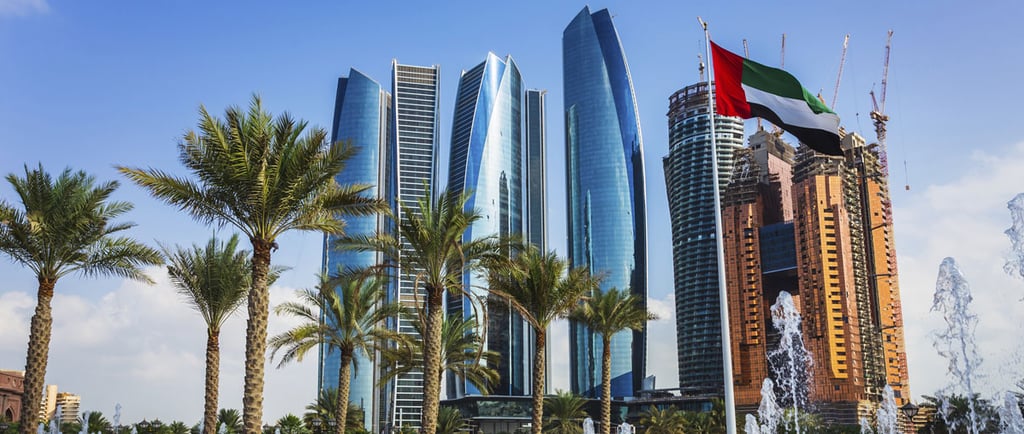
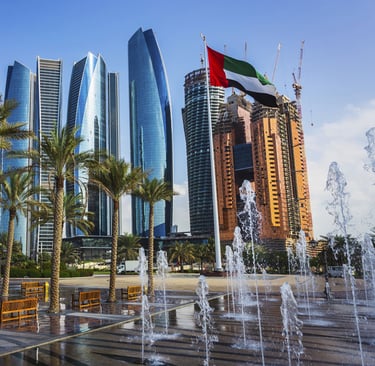
The city is characterized by its unique blend of traditional charm and contemporary advancements. This contrast is manifested in its architecture, which ranges from historic forts and palaces to striking modern structures like the Etihad Towers. Abu Dhabi's skyline reflects its ambition and provides a glimpse into its future, while its cultural landmarks, such as the Sheikh Zayed Grand Mosque and the Louvre Abu Dhabi, illustrate the city’s commitment to preserving its rich heritage and promoting art and culture.
Economically, Abu Dhabi is significant as it houses the majority of the UAE's oil reserves and holds a considerable percentage of the global oil supply, which has driven its economic growth and diversification. Beyond oil, the city has been proactive in establishing sectors such as tourism, real estate, and renewable energy, thereby positioning itself as a dynamic economic center. The government’s initiatives to foster innovation and sustainability further enhance Abu Dhabi's significance in the region.
As the capital of the UAE, Abu Dhabi continues to play a crucial role in shaping policies that influence the economic and social landscape of the nation, affirming its status as a leader within the Gulf region. The city's dynamic environment provides a vibrant setting for both residents and visitors, making it a fascinating place to explore.
Cultural Landmarks and Attractions in Abu Dhabi
Abu Dhabi, often referred to as the Pearl of the Arabian Gulf, is home to a plethora of cultural landmarks and attractions that reflect its rich heritage and ambitious modernity. One of the most prominent sites is the Sheikh Zayed Grand Mosque, an architectural masterpiece that stands as a symbol of unity and diversity in the United Arab Emirates. Completed in 2007, this mosque showcases intricate design elements that fuse Islamic architecture with contemporary influences. Visitors can marvel at the magnificent dome, the world's largest hand-knotted carpet, and the stunning chandeliers made from Swarovski crystals. The mosque not only serves as a place of worship but also as a cultural hub that promotes understanding and tolerance among different faiths.
Another significant cultural attraction in Abu Dhabi is the Louvre Abu Dhabi, which opened its doors in 2017. This institution is the first of its kind in the Arab world and features a striking dome designed by renowned architect Jean Nouvel. The Louvre brings together artworks from various cultures and periods, illustrating the interconnectedness of human history. With a collection that includes masterpieces from renowned artists, the museum also emphasizes the importance of cultural exchange and learning. This passion for cultural dialogue further supports Abu Dhabi's position as a global cultural destination.
The Emirates Palace also stands out as a significant landmark, encapsulating the opulence and hospitality of the Emirati culture. Opened in 2005, this luxurious hotel is not merely a place to stay but an experience in itself, featuring striking architecture, lavish decor, and beautiful gardens that exemplify traditional Arabian style. The Emirates Palace offers various cultural experiences, including art exhibitions, events, and culinary delights that reflect the local cuisine.
In essence, the cultural landmarks and attractions in Abu Dhabi illustrate a unique blend of tradition and modernity, making the city a vibrant tapestry of history, art, and architecture that attracts both tourists and residents alike.
Lifestyle and Entertainment
Abu Dhabi, the capital of the United Arab Emirates, is renowned for its vibrant lifestyle and abundant entertainment options. The city offers an exciting blend of modern infrastructure and rich cultural heritage, attracting residents and tourists alike. Shopping enthusiasts can explore numerous shopping malls, such as the luxury retail destination, The Galleria, and the expansive Yas Mall, both of which feature a diverse selection of international brands alongside local boutiques. Not only do these venues provide shopping experiences, but they also host a variety of restaurants, cafes, and entertainment activities, allowing for a truly immersive outing.
For those seeking outdoor experiences, Abu Dhabi boasts beautifully landscaped parks and serene beach resorts. Locations like the Abu Dhabi Corniche offer picturesque waterfront views, jogging paths, and picnic areas, while popular beach resorts such as Saadiyat Beach Club provide opportunities for sunbathing and recreational water sports. Families can enjoy attractions like the Abu Dhabi Wildlife Park and various theme parks that cater to all ages, promoting a balance between relaxation and thrilling fun.
Moreover, the culinary scene in Abu Dhabi is a feast for the senses, showcasing a fusion of traditional Emirati dishes and international cuisines. Restaurants offer a range of dining experiences, from casual eateries to fine dining establishments. Local delicacies, such as shawarma and falafel, sit side by side with gourmet dishes from Italian, Asian, and other global influences, making it easy for residents and visitors to explore diverse gastronomic delights.
As night falls, Abu Dhabi comes alive with an array of nightlife options, including vibrant bars, lounges, and clubs. Cultural events and festivals such as the Abu Dhabi Film Festival and the Festival of Literature further enrich the city’s social fabric, emphasizing the dynamic lifestyle that characterizes this remarkable destination. With its unique blend of leisure, culture, and entertainment, Abu Dhabi truly caters to the varied tastes and preferences of its inhabitants and visitors.
Future Development and Green Initiatives
Abu Dhabi is strategically positioning itself as a pioneer in sustainable development and innovation. This commitment is evidenced through ambitious initiatives designed to reduce carbon footprints and foster renewable energy projects, including the groundbreaking Masdar City. Launched in 2006, Masdar City has become a symbol of Abu Dhabi's dedication to creating a sustainable urban environment while promoting clean technology and energy efficiency.
The aspirations outlined in the UAE's National Vision 2021 play a critical role in steering Abu Dhabi's future development. This vision emphasizes the need for a diversified economy that reduces reliance on traditional hydrocarbons while enhancing the quality of life for its residents. By investing heavily in sustainable infrastructure and renewable energy, Abu Dhabi seeks to create a local economy that is resilient and diversified. This strategy not only addresses environmental concerns but also prepares the emirate for future economic challenges.
Preserving the natural environment remains at the forefront of Abu Dhabi's development strategy. The government has invested in various programs aimed at protecting biodiversity and promoting the sustainable use of natural resources. Initiatives include expanding green spaces, restoring coastal areas, and implementing strict regulations on pollution. These efforts demonstrate a dedication to ensuring that development and environmental conservation can coexist harmoniously.
Moreover, Abu Dhabi is also expanding its role as a leader in growth and sustainability within the Gulf region. The emirate seeks to attract international investments in clean technology and infrastructure while sharing best practices in sustainable urban planning and environmental management. By fostering innovation and collaboration, Abu Dhabi aims to set a benchmark for other cities in the region, showing that sustainable development is not merely an ideal, but a necessary pathway for future economic success.